
Seasonal Pond Care Checklist for the High Desert Region
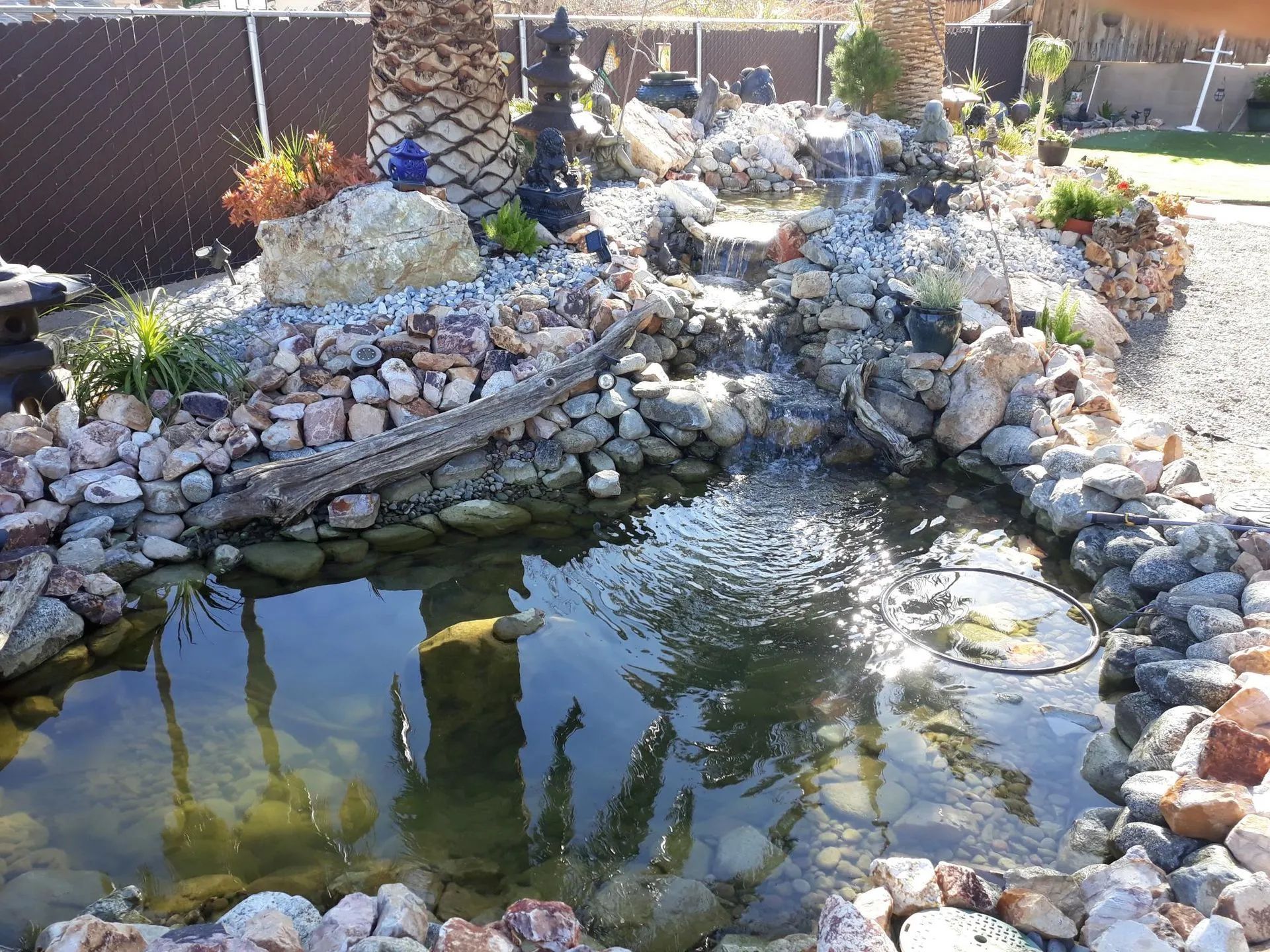
Owning a pond in the high desert region comes with unique challenges and responsibilities. Unlike more temperate areas, ponds in arid climates are subject to extreme temperature fluctuations, intense sunlight, and lower humidity levels. These factors can affect water quality, plant health, and aquatic life, making seasonal care crucial for maintaining a thriving ecosystem. Homeowners and pond enthusiasts often underestimate the impact of these environmental stresses, which can lead to algae blooms, water evaporation, or even damage to pumps and filtration systems. Understanding and following a seasonal pond care checklist is vital to ensure a sustainable and visually appealing water feature throughout the year.
In addition to aesthetic benefits, proper pond maintenance in the high desert region supports the overall health of aquatic life, prevents costly repairs, and promotes long-term functionality. By anticipating seasonal changes and implementing proactive measures, pond owners can maintain optimal water conditions, protect fish and plants, and reduce maintenance costs over time. This guide provides a comprehensive seasonal pond care checklist tailored specifically to the high desert environment. It offers actionable tips, expert insights, and best practices that help homeowners preserve the beauty and ecological balance of their ponds year-round.
Spring Pond Care: Preparing for Growth
Assess Water Quality and Levels
Spring signals the end of dormancy and the beginning of renewed growth for plants and aquatic life. Start by checking the water level, which often drops during the dry winter months. Refill the pond as needed with fresh, dechlorinated water to maintain proper levels for fish and plants. Conduct a water quality test to measure pH, ammonia, nitrate, and phosphate levels, adjusting as necessary to prevent imbalances that can stress aquatic life or fuel algae growth.
Clean and Inspect Equipment
Winter debris, sediment, and algae can accumulate in pumps, filters, and skimmers. Remove and clean all equipment to ensure smooth operation during the warmer months. Inspect pumps for wear and tear, check for leaks, and replace damaged components. Clean filter media thoroughly to improve water circulation and maintain clarity. Early inspection reduces the risk of mid-season breakdowns and supports a healthy pond ecosystem.
Plant and Landscape Maintenance
Spring is the ideal time to reintroduce aquatic plants that enhance pond aesthetics and promote ecological balance. Trim dead foliage from submerged, marginal, and floating plants to encourage new growth. Consider adding nitrogen-fixing plants to control nutrient levels naturally. Additionally, refresh surrounding landscaping, removing weeds and adding mulch to prevent runoff and sediment from entering the pond.
Summer Pond Care: Combating Heat and Evaporation
Monitor Water Temperature and Oxygen Levels
High desert summers bring intense heat, which can stress fish and reduce dissolved oxygen levels. Install a reliable pond thermometer to monitor temperature fluctuations, keeping water below 80°F whenever possible. Aeration devices, such as fountains or air pumps, increase oxygenation and help maintain a healthy environment for fish during hot weather.
Control Algae and Nutrient Levels
Algae growth peaks during summer due to high sunlight exposure and elevated nutrient levels. Use natural solutions like barley straw extract, aquatic plants, or shade-providing features to limit sunlight penetration. Avoid overfeeding fish, as excess food can increase nutrient levels and accelerate algae growth. Regular skimming and partial water changes help maintain clarity and reduce the risk of harmful blooms.
Water Conservation Practices
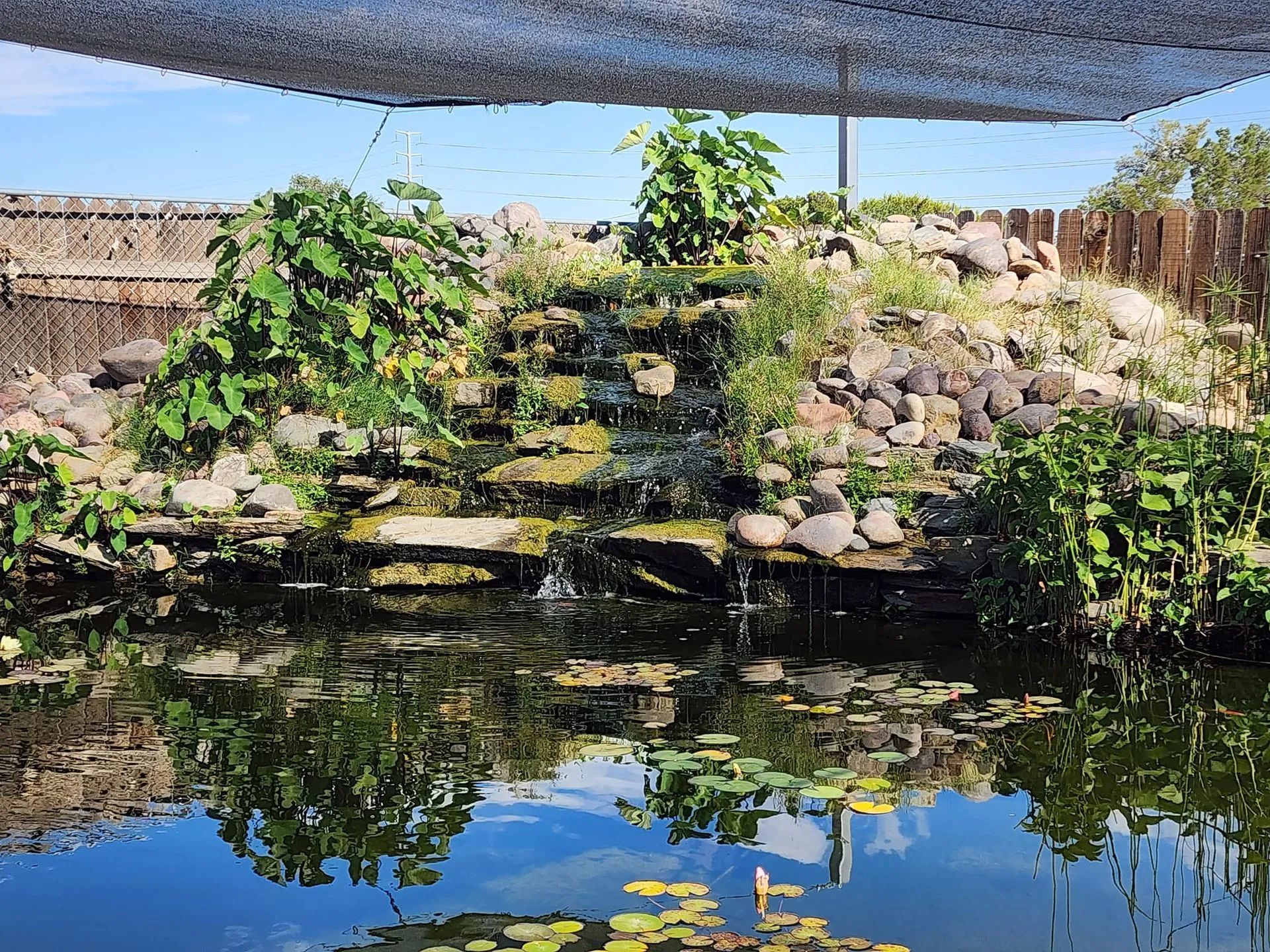
Summer evaporation is a significant concern in arid climates. Install a pond cover or floating shade structures to reduce water loss while protecting fish and plants from overheating. Check water levels regularly and top off with fresh water when necessary. Consider using drip irrigation or a rainwater collection system to refill your pond sustainably without relying solely on municipal water sources.
Fall Pond Care: Preparing for Dormancy
Remove Debris and Fallen Leaves
Autumn brings falling leaves and plant detritus, which can decompose in the pond and increase nutrient levels, fueling algae growth. Use a pond net or skimmer to remove debris promptly. Pruning dead or dying plants reduces organic material in the water and prevents excess decay that can affect water quality.
Adjust Feeding and Plant Care
As temperatures cool, fish metabolism slows, and they require less food. Reduce feeding gradually and provide high-quality, easily digestible food. Trim perennials and dormant plants, removing any that show disease or decay. Consider moving sensitive tropical plants indoors or to a greenhouse to protect them from frost.
Inspect and Winterize Equipment
Before the first frost, inspect pumps, filters, and other equipment. Clean filters thoroughly and remove pumps that will not be in use during winter. Check for leaks and repair damage before cold temperatures make maintenance more difficult. Installing a pond heater or de-icer can help prevent ice formation and maintain oxygen levels for overwintering fish.
Winter Pond Care: Maintaining Stability and Safety
Monitor Water Levels and Ice Formation
Even in mild high desert winters, freezing temperatures can pose risks. Maintain water levels to prevent pump damage and provide sufficient space for fish to survive. Avoid breaking ice forcefully, as sudden changes in temperature can stress fish and aquatic life. Use floating de-icers or heaters to create a small open water area, allowing gas exchange and preventing toxic buildup beneath the ice.
Reduce Fish Feeding and Monitor Health
During winter, fish enter a state of reduced activity and require little to no feeding. Overfeeding can lead to uneaten food decomposing and harming water quality. Observe fish behavior and health from a distance, ensuring that they remain active and free from disease. Provide shaded areas or shelters within the pond to protect fish from temperature swings and predators.
Plan for Spring Rejuvenation
Winter is an ideal time to plan upgrades or repairs to your pond system. Evaluate the pond liner, edging, and filtration system, and schedule any necessary maintenance before spring growth begins. Winter preparation ensures a smooth transition into the next season, minimizing disruptions and preserving pond aesthetics and function.
Year-Round Pond Management Tips
Consistent Water Testing
Regular water testing is essential regardless of the season. Monitoring pH, ammonia, nitrite, nitrate, and phosphate levels helps detect potential problems early, allowing for timely interventions. Maintain a log of results to track seasonal patterns and make informed adjustments for a balanced pond ecosystem.
Integrated Pest and Algae Control
Pest management and algae prevention should be approached holistically. Introduce natural predators like beneficial insects or specific fish species that consume algae and pests. Avoid chemical treatments that may harm the pond’s ecosystem, opting instead for environmentally friendly solutions that support overall health.
Routine Equipment Maintenance
Maintaining pumps, filters, and aeration devices year-round prevents unexpected failures and ensures optimal performance. Inspect components monthly, clean mechanical parts, and replace worn or damaged equipment promptly. A well-maintained system supports water clarity, promotes fish health, and prolongs the life of your pond infrastructure.
Landscaping and Erosion Control
Proper landscaping around the pond reduces sediment and nutrient runoff, which can contribute to algae growth and water quality issues. Use rocks, mulch, and native plants to stabilize soil and minimize erosion. Creating buffer zones with drought-tolerant plants also enhances visual appeal while supporting the local ecosystem.
Troubleshooting Common High Desert Pond Problems
Algae Overgrowth
Algae thrives in warm, sunny climates. Prevent overgrowth by balancing nutrients, providing shade, and limiting fish feeding. Introduce floating plants or shade sails to reduce direct sunlight. Regular water changes and mechanical removal also help maintain clarity.
Water Evaporation
Rapid evaporation in arid regions requires vigilant monitoring. Use covers, shade structures, or automated refill systems to maintain water levels. Selecting deeper pond designs can reduce the relative impact of evaporation during hot summer months.
Fish Health Concerns
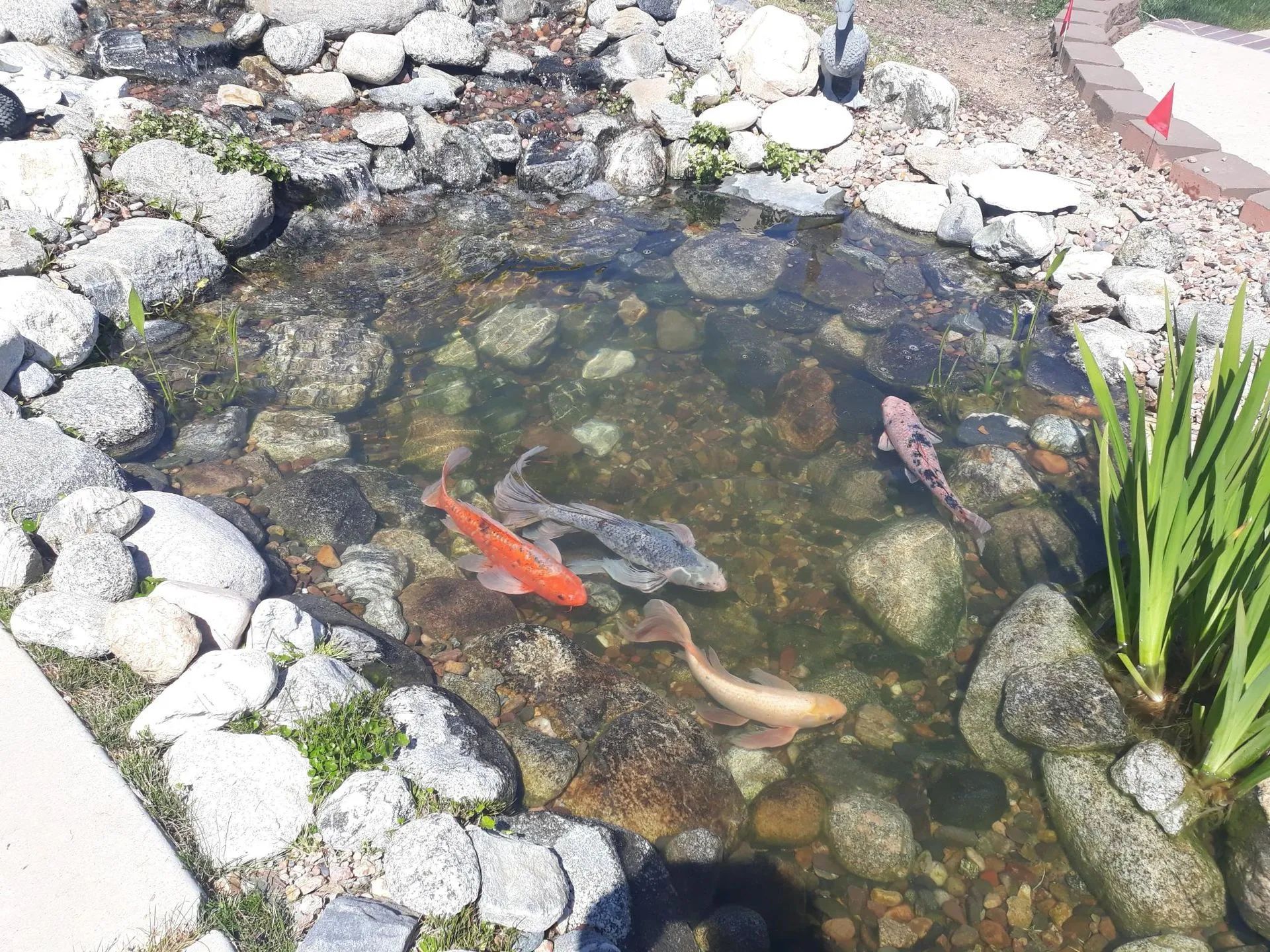
Temperature extremes and fluctuating water quality can stress fish. Monitor behavior, avoid overfeeding, and provide aeration to maintain oxygen levels. Quarantine new fish before introduction to prevent disease spread.
Equipment Failures
Extreme temperatures can strain pumps and filtration systems. Regular inspections, proper winterization, and preventive maintenance reduce the risk of malfunctions. Consider investing in high-quality, durable equipment designed for desert conditions.
Best Practices for Sustainable Pond Management
- Seasonal Planning: Develop a calendar-based maintenance schedule tailored to high desert conditions.
- Water Conservation: Implement water-saving strategies, including pond covers, rainwater harvesting, and deep-water designs.
- Ecological Balance: Use native plants and compatible fish species to maintain a resilient ecosystem.
- Professional Consultation: Partner with experienced pond specialists to address complex issues and optimize pond design and functionality.
By following these best practices, pond owners can enjoy a healthy, vibrant water feature while reducing maintenance stress and environmental impact.
Supporting a Healthy Pond Environment Year-Round
Seasonal pond care in the high desert region demands attention to detail, proactive planning, and a thorough understanding of environmental challenges. From spring cleaning and equipment inspections to summer heat management, fall preparation, and winter stability, each season brings unique responsibilities that are crucial for maintaining water quality, supporting aquatic life, and preserving the aesthetic appeal of your pond. By implementing structured maintenance routines, monitoring water chemistry, and addressing issues promptly, pond owners can avoid costly repairs and ensure a thriving ecosystem year-round.
At Vivid Watergardens
in Hesperia, CA, we bring 25
years of expertise in designing, maintaining, and revitalizing ponds for high desert conditions. Our team understands the intricacies of
seasonal pond care and offers tailored solutions that balance beauty, sustainability, and functionality. From water quality management and plant care to equipment maintenance and troubleshooting, we provide professional guidance and hands-on services that keep your pond healthy and vibrant throughout the year. Trust us to be your partner in creating a sustainable and visually stunning aquatic environment.