
Common Pond Problems in Hesperia and How We Fix Them
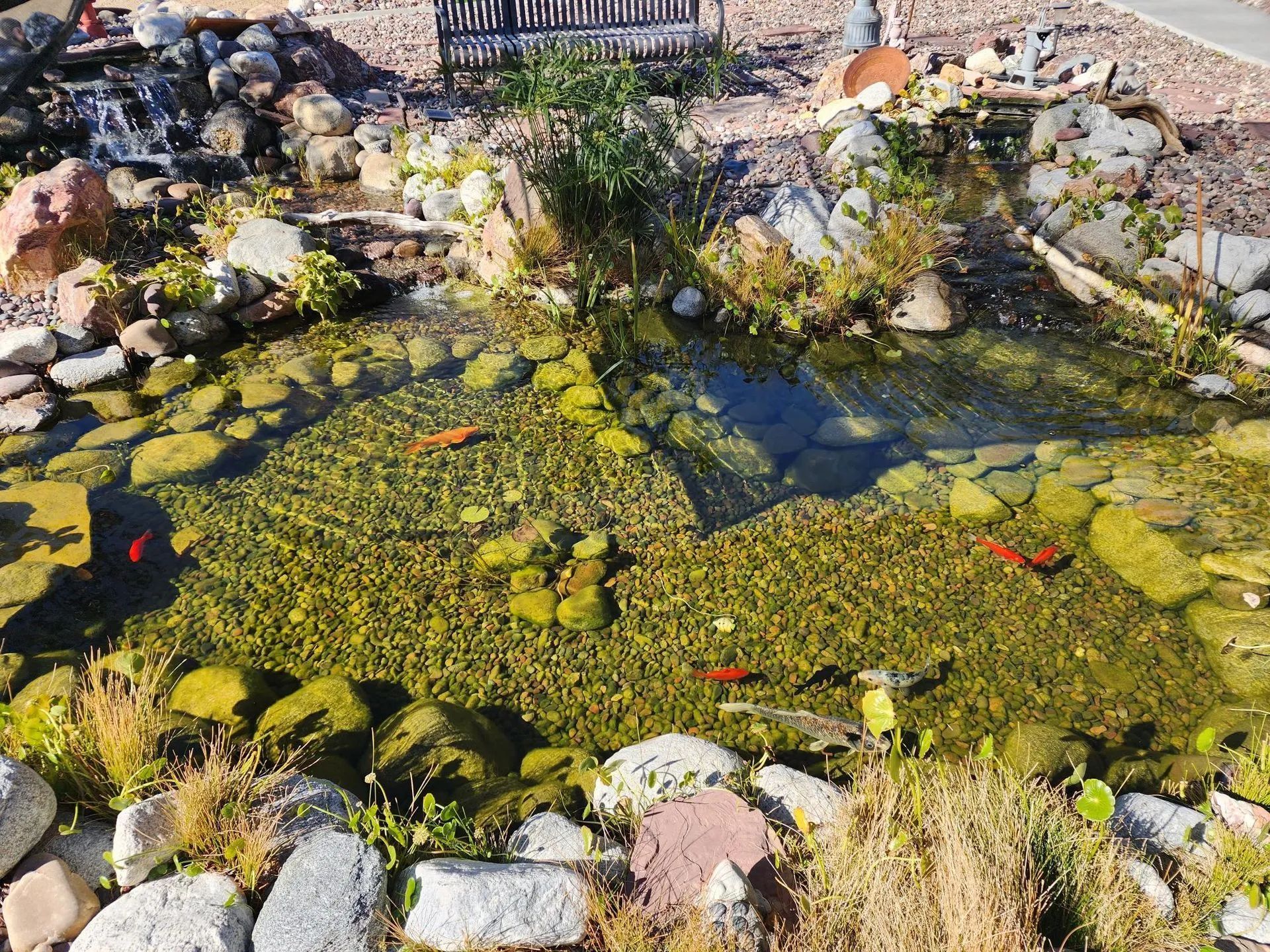
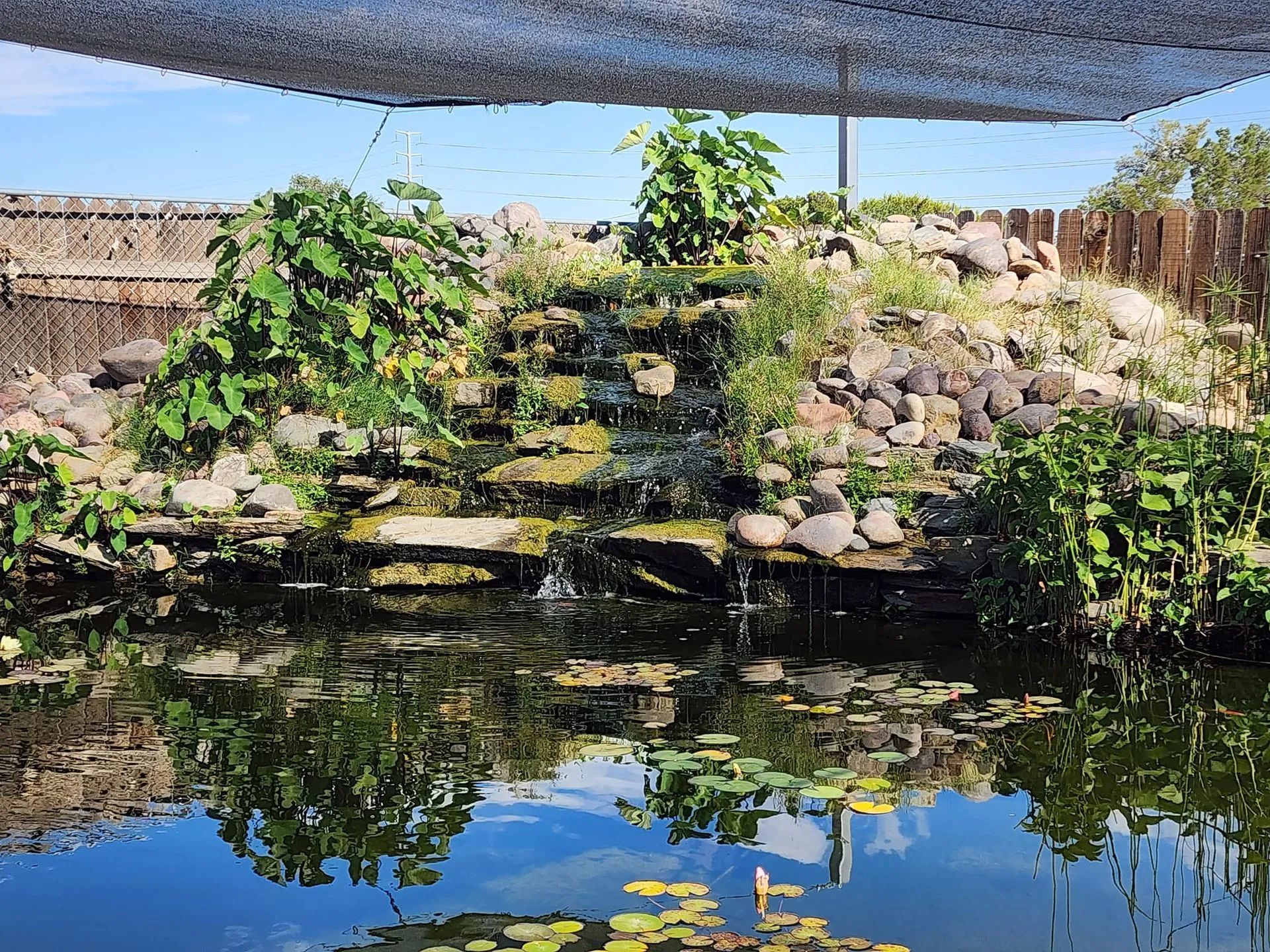
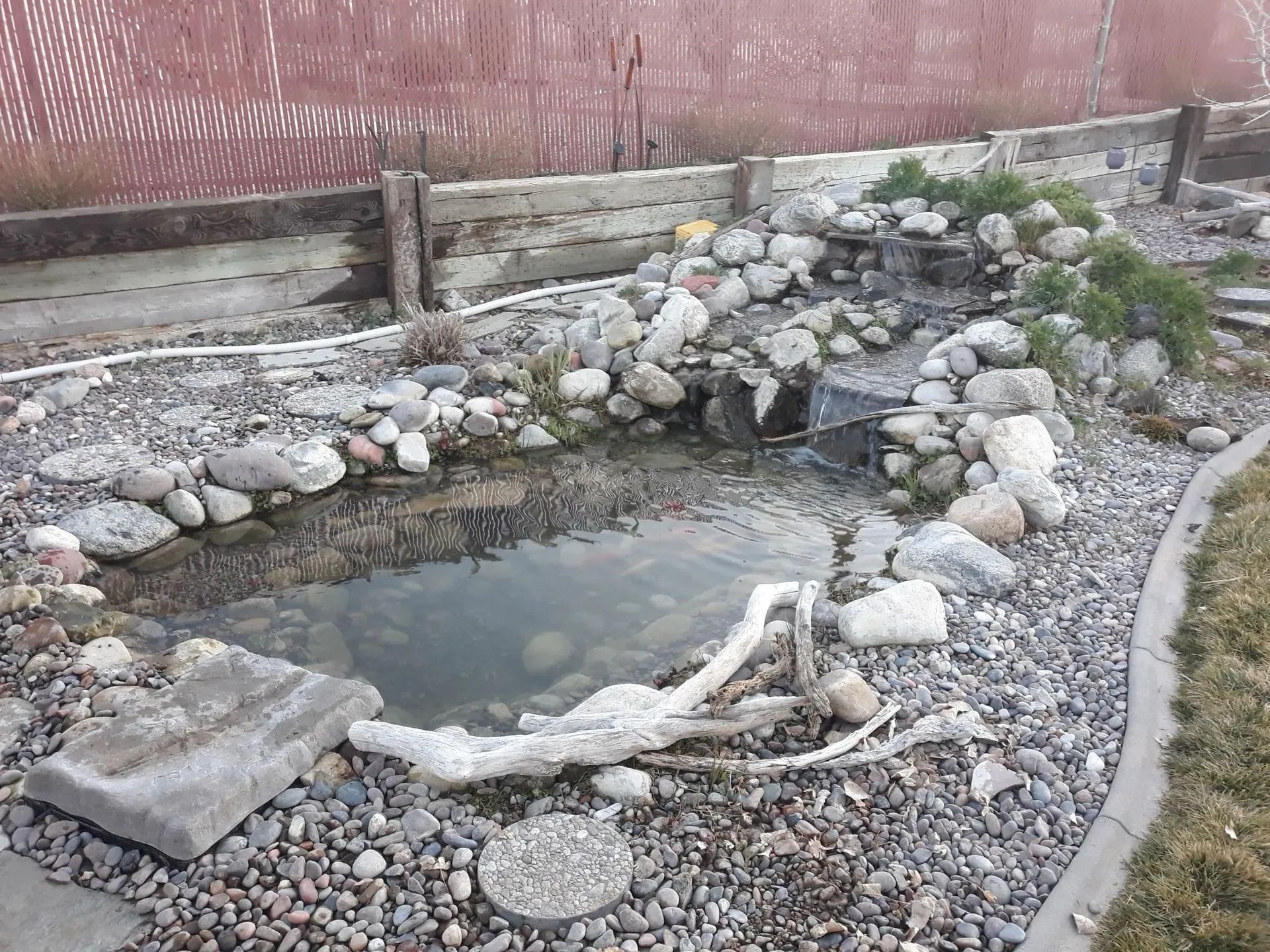
Maintaining a healthy pond in Hesperia can be both rewarding and challenging. Many property owners invest in ponds for aesthetic appeal, wildlife support, or personal relaxation, yet the semi-arid climate of Southern California introduces unique obstacles that demand consistent attention and thoughtful care. From excessive algae growth to water clarity issues, these problems can diminish the beauty and functionality of your water feature. Understanding the common challenges ponds face in this region is the first step toward maintaining a vibrant and sustainable aquatic environment. Proper pond care not only preserves the visual appeal of your property but also promotes a balanced ecosystem that supports fish, plants, and local wildlife while ensuring long-term enjoyment.
Addressing pond problems requires a combination of practical solutions, scientific knowledge, and ongoing maintenance tailored to the specific environmental conditions of Hesperia. Pond owners often struggle with fluctuating water levels, invasive plant species, or debris accumulation, each of which can cause long-term damage if left untreated or overlooked during seasonal changes. This guide highlights the most frequent pond issues encountered in Hesperia and provides actionable strategies for resolving them. By examining both the causes and solutions, property owners can make informed decisions that protect their investment and enhance the pond’s overall health and longevity, ensuring reliable performance year-round.
Algae Overgrowth – Causes and Solutions
Understanding Algae in Ponds
Algae growth is one of the most common pond problems in Hesperia. The combination of abundant sunlight, warm temperatures, and nutrient-rich water creates ideal conditions for algae blooms. While some algae are natural and beneficial, excessive growth can turn water green, produce unpleasant odors, and disrupt the balance of aquatic life. Algae can also block sunlight, preventing oxygen production and affecting fish and plant health.
Causes of Algae Blooms
- Excess Nutrients: Fertilizers, pet waste, and decaying plants increase nitrogen and phosphorus levels in the water.
- Stagnant Water: Lack of circulation reduces oxygen levels, allowing algae to thrive.
- High Temperatures: Hesperia’s hot climate accelerates algae reproduction.
Effective Solutions
- Aeration Systems: Installing fountains or aerators improves water circulation and oxygen levels, inhibiting algae growth.
- Beneficial Bacteria: Adding bacterial supplements helps break down organic matter and reduces nutrients that feed algae.
- Physical Removal: Regular skimming or using algae nets can help manage surface growth.
- Plant Barriers: Aquatic plants like water lilies absorb nutrients and provide shade, reducing algae proliferation.
Example: A residential pond in Hesperia experienced persistent green water due to runoff from nearby landscaping. After introducing an aeration system and floating plants, the pond returned to clear, balanced conditions within weeks.
Poor Water Quality and Clarity
Poor Water Quality and Clarity
Cloudy or murky water is a frequent complaint among pond owners. Water quality issues can manifest as discoloration, foul odors, or excessive debris. Poor water clarity affects not only the aesthetic appeal but also the health of fish and aquatic plants. Turbid water often results from suspended particles, algae, or chemical imbalances.
Causes of Poor Water Quality
- Debris Accumulation: Leaves, branches, and organic matter decompose and release nutrients.
- Excess Nutrients: Runoff from fertilizers or nearby gardens accelerates algae and bacterial growth.
- Inadequate Filtration: Small or outdated filtration systems fail to remove impurities efficiently.
- pH Imbalance: Unstable pH levels affect aquatic life and water clarity.
Corrective Measures
- Filtration Upgrades: Installing high-quality mechanical and biological filters can maintain clear water year-round.
- Regular Cleaning: Skimming, vacuuming, and removing debris prevent nutrient buildup.
- Water Testing: Monitoring pH, ammonia, and nitrate levels allows for timely adjustments.
- UV Clarifiers: These systems target microscopic algae and bacteria, producing clear, sparkling water.
Best Practice: A commercial property pond in Hesperia underwent monthly water testing and filtration system maintenance, resulting in visibly clear water and healthier fish populations.
Fish Health Issues
Recognizing Symptoms
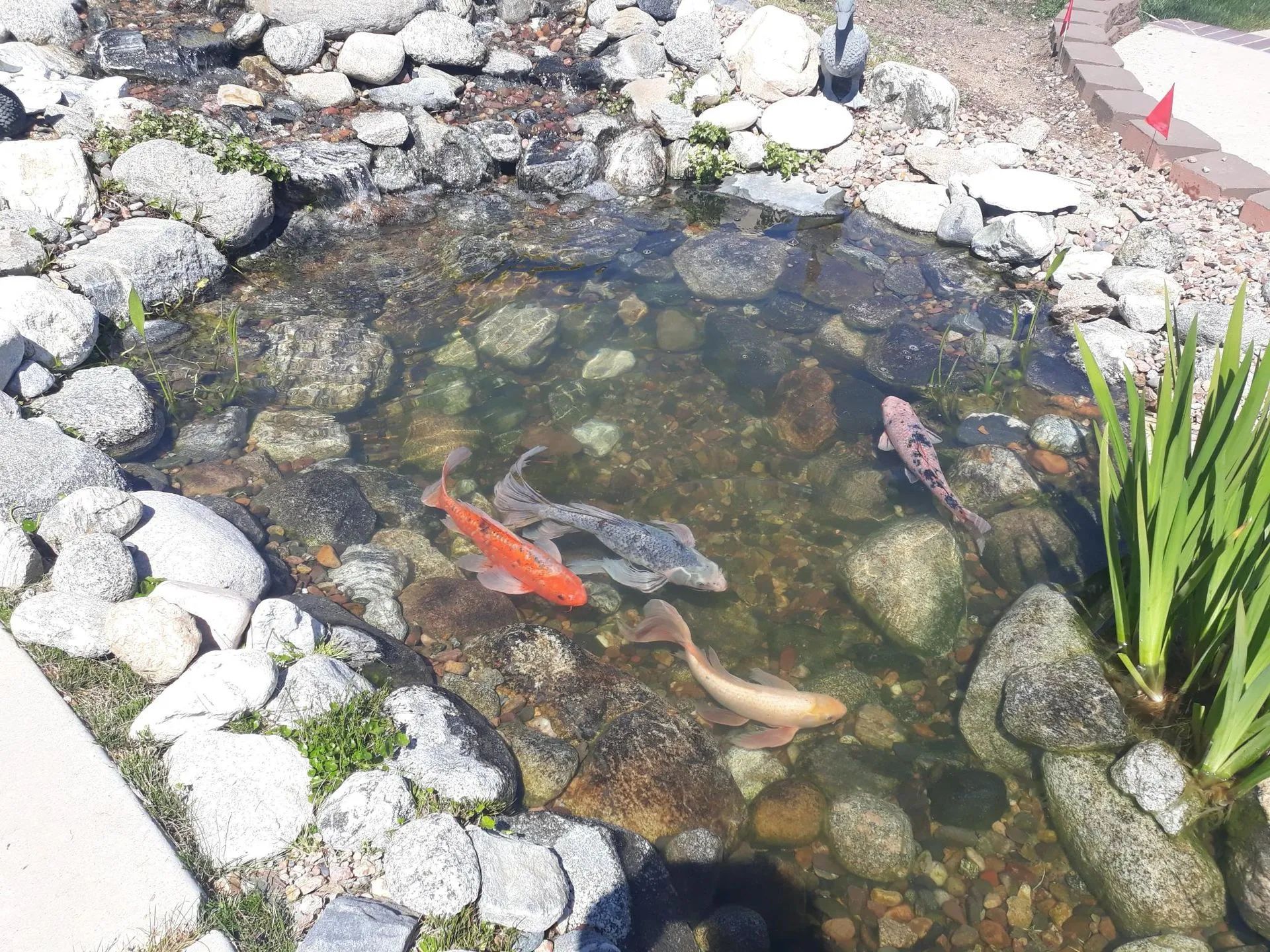
Ponds are often stocked with ornamental fish, such as koi or goldfish, which are highly sensitive to environmental changes. Symptoms of health issues include lethargy, unusual swimming patterns, or visible wounds and discoloration. Unaddressed problems can lead to fish mortality and imbalance in the pond ecosystem.
Common Causes
- Poor Water Quality: High ammonia or low oxygen levels stress fish.
- Overcrowding: Excess fish lead to competition for oxygen and nutrients.
- Disease and Parasites: Bacterial or parasitic infections are common in stagnant or overcrowded ponds.
- Temperature Fluctuations: Extreme heat or cold in Hesperia can shock fish, affecting metabolism and immune response.
Solutions for Healthy Fish
- Routine Water Monitoring: Testing for ammonia, nitrite, and pH ensures a stable environment.
- Proper Stocking Levels: Maintaining balanced fish populations reduces stress and disease risk.
- Quarantine New Fish: Prevents introduction of parasites or pathogens.
- Oxygenation Systems: Aerators and fountains enhance oxygen availability.
- Preventive Treatments: Using natural remedies and pond-safe medications can prevent outbreaks.
Real-World Example: A homeowner’s koi developed fin rot due to poor water circulation. Installing a circulation pump and adjusting the fish count restored their health and improved the pond’s ecosystem stability.
Structural and Liner Problems
Detecting Issues Early
Structural issues, including cracks, leaks, or failing liners, can compromise a pond’s integrity. Water loss not only wastes resources but also stresses aquatic life. Liner deterioration may occur due to UV exposure, improper installation, or natural wear and tear.
Common Causes
- Sun Damage:
Prolonged UV exposure weakens plastic or rubber liners.
- Animal Activity:
Burrowing animals or pets can puncture liners.
- Improper Installation:
Uneven surfaces or sharp objects under the liner can cause tears.
- Soil Movement: Seasonal shifts in soil or erosion can create leaks or cracks.
Solutions and Best Practices
- Liner Repair or Replacement:
Patching minor tears or replacing worn liners maintains water retention.
- Protective Underlayments:
Installing geotextile fabric under liners prevents punctures.
- Regular Inspections:
Early detection of cracks or leaks avoids costly repairs.
- Structural Reinforcement: Rocks, edging, or retaining walls can prevent erosion and support pond integrity.
Example: A community pond in Hesperia experienced slow leaks due to a deteriorated liner. After replacing the liner and adding protective underlayment, the pond maintained consistent water levels without further issues.
Invasive Plants and Weeds
Understanding the Impact
Invasive plants can overtake a pond, choking out desirable species and disrupting water flow. Common Hesperia pond invaders include cattails, water hyacinth, and algae-prone weeds. Left unchecked, these plants can reduce water oxygen levels and diminish habitat quality for fish and wildlife.
Causes of Invasive Growth
- Excess Nutrients: Fertilizer runoff encourages fast-growing species.
- Uncontrolled Planting: Introducing non-native plants can quickly become problematic.
- Poor Maintenance: Failure to trim or remove invasive species accelerates spread.
Control Strategies
- Mechanical Removal: Cutting or pulling invasive plants regularly prevents overgrowth.
- Biological Control: Introducing fish like grass carp can help manage certain weeds.
- Chemical Treatment: Pond-safe herbicides can eliminate persistent species while protecting aquatic life.
- Preventive Measures: Careful selection of native plants reduces the risk of invasions.
Scenario: A local Hesperia pond was overtaken by water hyacinth, affecting fish health. Gradual removal combined with native plant reintroduction restored ecosystem balance and improved water quality.
Seasonal Maintenance Challenges
Importance of Year-Round Care
Pond maintenance is not limited to a single season. Hesperia’s desert climate brings hot summers and occasional cold winters, each presenting unique challenges for water levels, temperature regulation, and ecosystem balance. Seasonal neglect often leads to cumulative problems like algae blooms, fish stress, or liner damage.
Common Seasonal Issues
- Summer Evaporation:
High temperatures increase water loss and concentrate nutrients.
- Winter Oxygen Levels:
Cooler water holds less oxygen, potentially stressing fish.
- Debris Accumulation: Wind and storms deposit leaves and sediment, causing nutrient spikes.
Seasonal Best Practices
- Water Level Monitoring:
Adding water during summer prevents stress on aquatic life.
- Winter
Preparation: Installing aeration or de-icers maintains oxygen levels in colder months.
- Regular Cleaning Schedule:
Adjusting frequency of debris removal by season keeps water balanced.
- Nutrient Management: Seasonal testing helps prevent algae blooms and plant overgrowth.
Example: A pond owner in Hesperia noticed fish mortality in early summer due to concentrated ammonia levels. Implementing a seasonal water top-off and aeration system prevented further losses and stabilized the ecosystem.
Safeguarding Your Pond Through Expert Guidance
Ponds in Hesperia offer beauty, tranquility, and environmental value, but they also come with unique maintenance challenges. Common problems such as algae overgrowth, poor water clarity, fish health issues, structural damage, invasive plants, and seasonal maintenance concerns require careful attention and proactive solutions. Understanding the root causes and implementing effective management strategies ensures that your pond remains a healthy, thriving ecosystem. Regular monitoring, proper filtration, aeration, and thoughtful landscaping are key to overcoming these challenges and maintaining a visually appealing, functional water feature.
For Hesperia residents seeking expert assistance, Vivid Watergardens
has 25
years of experience in pond design, maintenance, and restoration. Our team specializes in diagnosing common pond issues and implementing long-term solutions tailored to the region’s climate and environmental conditions. From algae control to structural repairs and
seasonal maintenance, we provide trusted, comprehensive services to protect and enhance your pond. With a commitment to excellence, personalized attention, and proven results, Vivid Watergardens
is your reliable partner for creating and sustaining beautiful ponds in Hesperia, CA.