
How Often Should You Clean a Pond in Hesperia, CA?
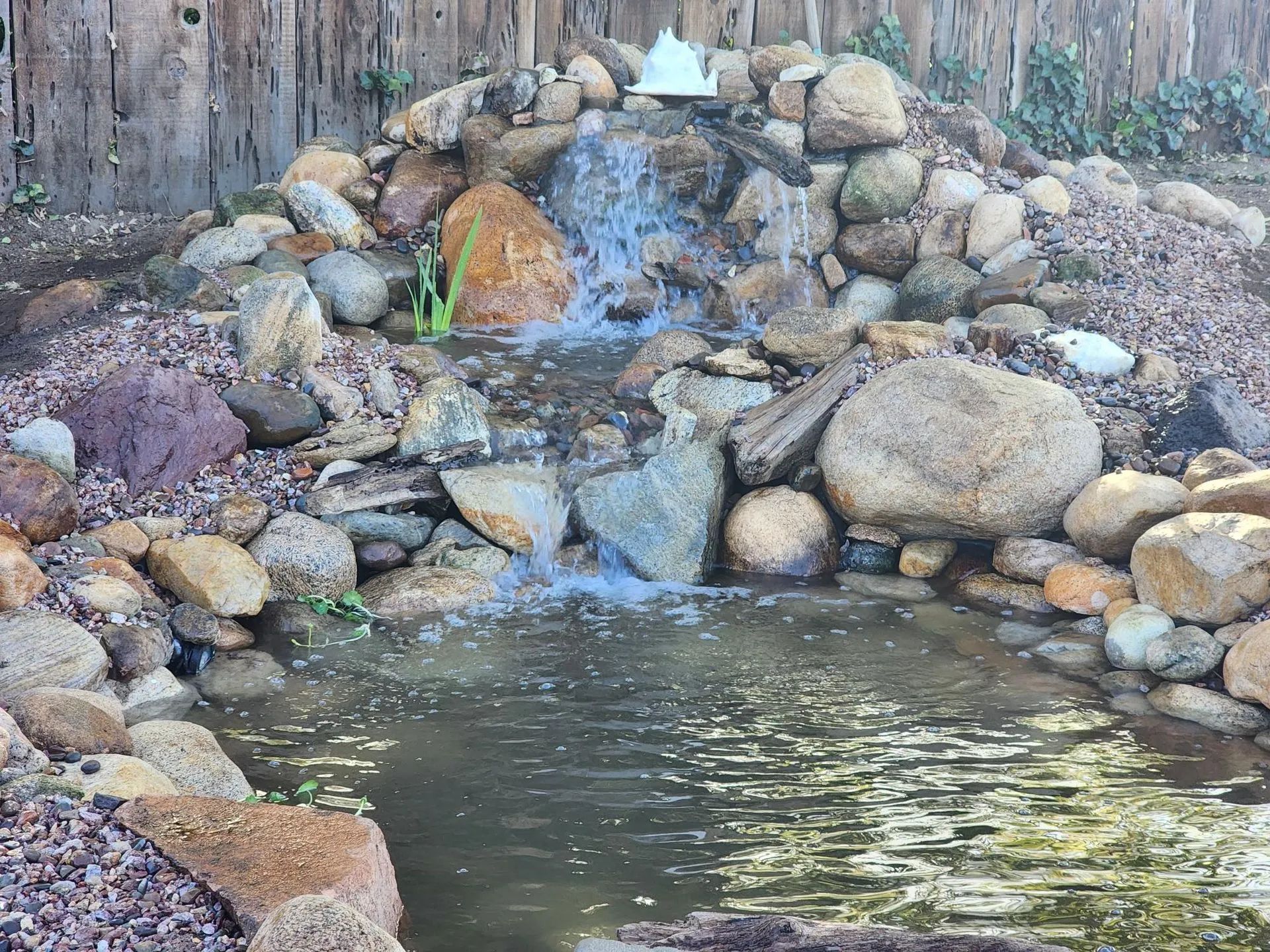
Ponds add beauty, movement, and balance to residential and commercial landscapes, but maintaining clean and healthy water requires more attention than many property owners expect. In Hesperia, California, pond maintenance becomes especially important because of the region’s dry climate, strong sunlight, wind exposure, and seasonal debris accumulation. Without proper cleaning schedules, ponds can quickly develop algae growth, cloudy water, sludge buildup, unpleasant odors, and filtration problems that affect both appearance and water quality. Whether a pond contains koi fish, aquatic plants, waterfalls, or decorative water features, regular care plays a major role in preserving long-term function and visual appeal.
Many pond owners wonder how often a pond should be cleaned and whether routine maintenance alone is enough to prevent larger problems. The answer depends on several factors, including pond size, fish population, surrounding vegetation, filtration systems, and environmental conditions. A neglected pond may experience declining oxygen levels, increased organic waste, and equipment strain that leads to costly repairs over time. Understanding proper cleaning intervals helps property owners protect water clarity, maintain healthier aquatic environments, and reduce avoidable maintenance issues before they become major concerns.
Factors That Determine Pond Cleaning Frequency
Pond Size and Water Volume
The size of a pond plays a significant role in determining how often cleaning is necessary. Smaller ponds usually require more frequent attention because debris, algae, and organic waste accumulate faster within limited water volume. Larger ponds can handle moderate environmental changes more easily, but they still require routine inspections and scheduled cleaning to prevent long-term buildup.
In Hesperia, windblown debris and dust often settle into ponds throughout the year. Leaves, pollen, and dirt gradually collect along the bottom and inside filtration systems. Smaller decorative ponds may need light maintenance every week, while larger ecosystems may only require seasonal deep cleaning depending on biological balance and equipment performance.
Fish Population and Organic Waste
Fish contribute to the overall health and appearance of a pond, but overstocking can increase maintenance demands. Koi and other pond fish produce waste that raises nutrient levels inside the water. Excess nutrients encourage algae growth and increase sludge accumulation along the pond floor.
When fish populations are high, cleaning schedules typically become more frequent. Waste buildup can affect oxygen levels, stress aquatic life, and create unpleasant odors if ignored for long periods. Property owners should monitor fish behavior, water clarity, and filtration performance regularly to identify early warning signs that indicate cleaning is necessary.
Climate and Seasonal Conditions
Hesperia’s climate creates unique challenges for pond maintenance. Extended sun exposure can warm shallow water quickly and encourage algae growth during hotter months. Windstorms may carry dirt, dry vegetation, and airborne debris directly into ponds and waterfalls.
Seasonal changes also affect maintenance schedules. Spring and summer often require increased monitoring because warmer temperatures accelerate biological activity. During fall, nearby trees may contribute heavier leaf accumulation that clogs skimmers and filtration systems. Winter maintenance may become lighter, but inspections still remain important for protecting pumps and circulation equipment.
Signs Your Pond Needs Cleaning
Cloudy or Discolored Water
One of the first visible signs of pond imbalance is cloudy water. Murky or green water often indicates excessive algae growth, suspended debris, or filtration issues. Water discoloration may also result from decomposing organic material accumulating along the bottom of the pond.
Routine cleaning helps restore water clarity before conditions worsen. Skimming surface debris, cleaning filters, and removing sludge can improve circulation and reduce nutrient buildup that contributes to poor water quality.
Excessive Algae Growth
Algae naturally develop in most ponds, but uncontrolled growth usually signals maintenance problems. Thick algae accumulation along rocks, waterfalls, and pond surfaces can interfere with oxygen exchange and reduce the visual appeal of the water feature.
In warmer climates like Hesperia, algae growth can become aggressive during summer months. Regular cleaning combined with proper filtration and balanced aquatic vegetation helps reduce algae outbreaks and supports healthier pond conditions.
Sludge Accumulation and Odors
Organic sludge forms when leaves, fish waste, and plant material settle at the bottom of the pond and begin decomposing. Over time, sludge releases gases that create foul odors and reduce oxygen levels within the water.
A strong sulfur smell or visible sediment buildup usually indicates the need for a deeper pond cleaning. Removing accumulated sludge improves water circulation and helps maintain healthier aquatic environments for fish and plants.
Recommended Pond Cleaning Schedule
Weekly Pond Maintenance
Most ponds benefit from light weekly maintenance to prevent debris accumulation and monitor water quality. Weekly care often includes removing floating debris, checking water levels, inspecting pumps, and cleaning skimmer baskets.
Routine inspections also help identify developing issues before they become serious. Property owners who stay consistent with minor maintenance tasks usually avoid larger and more expensive pond problems later.
Monthly Equipment Inspection
Pumps, filters, and aeration systems should receive monthly inspections to ensure proper operation. Dirty filters and restricted circulation systems can place strain on pond equipment and reduce water movement.
Checking for clogged intake areas, damaged tubing, or reduced flow helps maintain stronger filtration performance. Equipment inspections are especially important during warmer months when ponds operate under heavier demand.
Seasonal Deep Cleaning
Most ponds in Hesperia benefit from a more detailed cleaning at least once or twice each year. Seasonal cleaning often includes sludge removal, filter flushing, rock cleaning, trimming aquatic plants, and inspecting underwater components.
Spring is commonly considered the ideal time for deeper cleaning because ponds begin experiencing increased biological activity after winter. Fall cleaning also helps remove accumulated leaves and organic debris before colder temperatures arrive.
Ponds with larger fish populations or heavy environmental exposure may require additional cleanings depending on water conditions and system performance.
Best Practices for Maintaining a Healthy Pond
Maintain Proper Filtration
Filtration systems play a major role in keeping pond water clean and balanced. Mechanical filters remove debris, while biological filtration supports beneficial bacteria that break down organic waste.
Choosing properly sized filtration equipment helps reduce maintenance demands and supports healthier water quality. Regular cleaning of filters prevents clogging and improves circulation throughout the pond system.
Control Nutrient Levels
Excess nutrients contribute to algae growth and declining water clarity. Fish waste, decaying leaves, and overfeeding are among the most common causes of nutrient imbalance in ponds.
Removing debris promptly and avoiding overfeeding fish helps maintain cleaner water conditions. Aquatic plants can also assist with nutrient absorption while improving the overall appearance of the pond environment.
Improve Water Circulation
Stagnant water encourages algae development and reduces oxygen exchange. Proper circulation helps distribute oxygen more evenly while supporting filtration performance.
Waterfalls, aerators, and circulation pumps all contribute to healthier pond movement. Maintaining steady circulation also reduces the likelihood of foul odors and mosquito activity around the pond.
Monitor Aquatic Plant Growth
Aquatic plants support pond ecosystems, but uncontrolled growth can create maintenance issues if left unmanaged. Dead or overgrown vegetation contributes to organic buildup that affects water quality.
Routine trimming and seasonal plant maintenance help maintain balance while preserving the pond’s visual appeal. Healthy aquatic plants can also provide shade that reduces excessive algae growth during warmer months.
Why Professional Pond Cleaning Makes a Difference
Thorough Inspection and Maintenance
Professional pond cleaning involves more than surface debris removal. Detailed inspections help identify hidden circulation problems, equipment wear, leaks, and developing water quality issues before they lead to larger complications.
Experienced pond technicians understand how climate conditions, fish populations, and filtration systems interact within different pond environments. Professional maintenance helps preserve long-term pond health while reducing unnecessary strain on pumps and filtration equipment.
Protecting Fish and Aquatic Life
Improper cleaning methods can stress fish and disrupt biological balance inside the pond ecosystem. Professional cleaning procedures help protect aquatic life while improving water quality and circulation conditions.
Maintaining proper oxygen levels and stable environments supports healthier fish populations and reduces the likelihood of disease outbreaks linked to poor water conditions.
Long-Term Cost Savings
Routine pond maintenance often reduces the likelihood of expensive repairs and premature equipment replacement. Clogged pumps, damaged filters, and neglected sludge buildup can shorten the lifespan of important pond components.
Preventive care supports cleaner water, stronger circulation, and improved equipment reliability throughout the year. Property owners who maintain consistent cleaning schedules often avoid emergency repairs and larger restoration costs.
Experienced Pond Specialists Protecting Your Outdoor Investment
Maintaining a clean pond requires more than occasional debris removal. Proper cleaning schedules help preserve water clarity, support aquatic life, reduce algae growth, and protect long-term equipment performance. In Hesperia’s dry climate, environmental conditions can increase maintenance demands throughout the year, making regular inspections and seasonal cleaning especially important for preserving healthy pond systems. Understanding how pond size, fish populations, filtration, and weather conditions influence maintenance schedules allows property owners to make informed decisions that prevent avoidable problems before they grow more severe.
At Vivid Watergardens
in Hesperia, CA, we bring more than 25
years of experience helping property owners maintain cleaner, healthier, and more visually appealing ponds across residential and commercial landscapes. We understand the unique maintenance challenges created by High Desert conditions and provide knowledgeable guidance tailored to different pond environments, filtration systems, and aquatic features. Our approach focuses on preserving long-term pond health through detailed inspections, balanced cleaning strategies, and reliable maintenance solutions designed to support water quality and overall system performance. Whether managing a decorative backyard pond, koi habitat, waterfall feature, or larger water garden installation, we help property owners protect the beauty, function, and stability of their ponds throughout every season.